
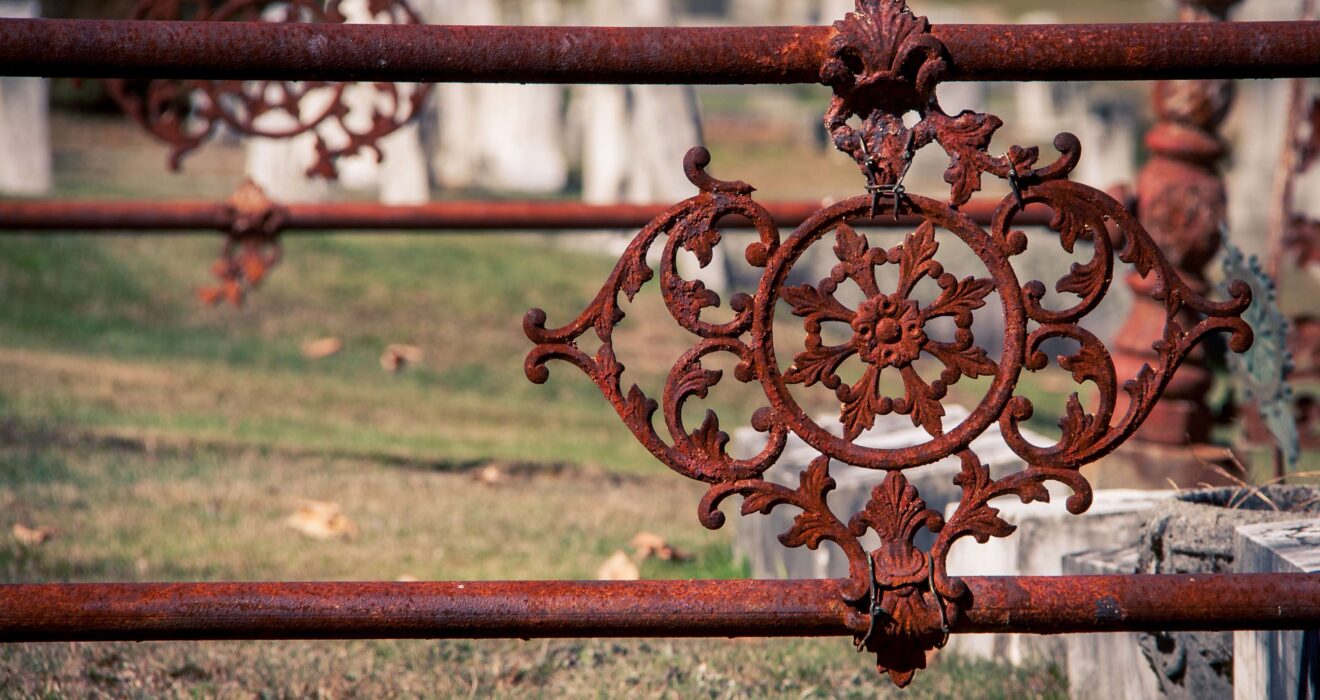
Maplewood Cemetery: a cemetery with history and secrets
Maplewood Cemetery in Mayfield, Kentucky, is the final resting place for local residents. For many travellers and those interested in history, this cemetery has become a unique discovery. It combines architectural features, memories of notable people, unusual monuments, legends and stories that pass on oral history to generations. These elements have made the place familiar to tourists, researchers and anyone who wants to see a different perspective on American history outside of large museums and city streets.
Wooldridge Monuments Maplewood’s main attraction
The best place to start exploring the cemetery is with its most famous group of monuments – the Wooldridge Monuments. These sculptures attracted the interest of local residents and travellers from other states, and even appeared on television in the mid-20th century.
Wooldridge Monuments are often referred to as ‘The Strange Procession That Never Moves.’ They were given this nickname at the end of the 19th century, when this memorial ensemble was created and installed. This is where you should start your tour of Maplewood Cemetery.
The history of the monuments is linked to the name of Henry G. Wooldridge, a man who meticulously and painstakingly created his family’s legacy in stone. Wooldridge bred and sold horses in the vicinity of Mayfield, never married, and lived here until his death on 30 May 1899.
Who is depicted in Wooldridge Monuments
Before listing the figures, it is important to understand that this ensemble is not an artistic fantasy, but a carefully thought-out family monument. It reflects those who were important to Wooldridge throughout his life.
The sculptures include:
Two figures of Henry Wooldridge himself, one riding his beloved horse Fop, the other standing next to a lectern.
- Henry’s mother, Kezia.
- His brothers, Alfred, W.F., John, and Josiah.
- His sisters, Susan, Narcissa, and Minerva.
- His two nieces, Maud and Minnie.
- Two hunting dogs, Towhead and Bob.
- The figures also include images of a fox and a deer, symbolising Woolridge’s love of nature and hunting.
- Woolridge’s own memorial sarcophagus, made of marble.
This group of sculptures is a kind of family portrait, captured in stone, which encompasses important events and people in the life of Henry Woolridge. The monuments create the impression of an almost living scene, as if the family were gathered here in an eternal gathering.
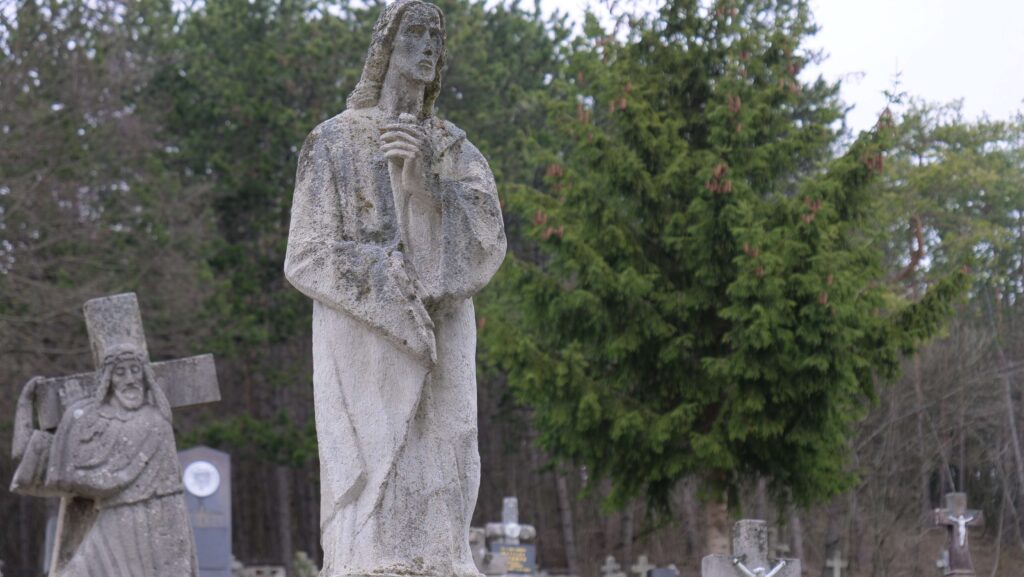
Legends and stories surrounding the monuments
Maplewood Cemetery is shrouded in various stories that have become part of local folklore. The most famous of these are related to the Wooldridge Monuments and the events that took place during their creation and transportation.
One of the most frequently retold stories says that a local drunkard was involved in transporting the large statue of Wooldridge on horseback by rail from Paducah to Mayfield. According to legend, he climbed onto the platform next to the statue, as if accompanying it on its ceremonial entry into the city. This story was passed down by word of mouth and became part of the mythology surrounding these monuments.
Another legend concerns the figure of a girl whom many mistakenly believed to be Woolridge’s first love. In fact, according to family records, she was his niece. This story has remained in oral tradition and continues to attract visitors, inspiring reflection on life, love and memory.
The Mystery of the Drew/Lawrence Family
One of the most mystical areas of the cemetery is considered to be the place known as the Drew/Lawrence family plot. It has been unofficially named ‘One of the Unsolved Mysteries of Graves County.’ Here lie the remains of 11 people who died in a fire at their home in the settlement of Hickory in 1921.
The cause of the fire remains unknown, despite numerous eyewitness accounts and theories. According to one legend, the only person willing to enter the house after the fire was Fred Ellsworth, who was hired specifically for this purpose, as others refused. This story turned out to be so complex and mysterious that it even made it into an episode of a cult television programme about unsolved cases.
Stories and legends surrounding other gravestones
Maplewood Cemetery is a place where you can easily feel the space filled with real life stories. It is a space that reveals human destinies, tragedies and legends that are passed down from mouth to mouth.
There is a story about an angel on the Slayden family monument. According to legend, the angel originally held a bunch of grapes in its hand, but over time, the berries began to fall off one by one. It is said that when the last grape falls, the world will end. This story is a vivid example of how the popular imagination creates symbolic meanings, overgrown with myths and interpretations.
Another event that visitors to the cemetery talk about is the story of James A. Wright. According to eyewitnesses, he was fatally wounded during a church service at Wrights Chapel, adding another dark chapter to the archive of human stories associated with this place.
Practical advice for visitors
Maplewood Cemetery is open to visitors and attracts those who love history, architecture and mysticism. It is recommended to come during daylight hours to walk along the alleys, see the monuments in detail and read the epitaphs.
Many of the monuments are located in the shade of centuries-old trees, so a walk here is usually peaceful and atmospheric. Don’t rush: every sculpture and every inscription here can tell you about the life of a person you may never have heard of, but who left their mark on this earth.

Conclusion
Maplewood Cemetery in Mayfield is a kind of open history, captured in stone and legends. Here, you can see memories of life, love, tragedy, and human destinies embodied in monuments and gravestones. Wooldridge Monuments remains the heart of this place, but it is only part of the amazing stories that can be heard and felt while walking through the cemetery’s alleys. Those who are willing to listen to the silence and honour the memory will find much more here than just stone gravestones.