
The Stone History of the Woolridge Family: Unusual Monuments of Mayfield
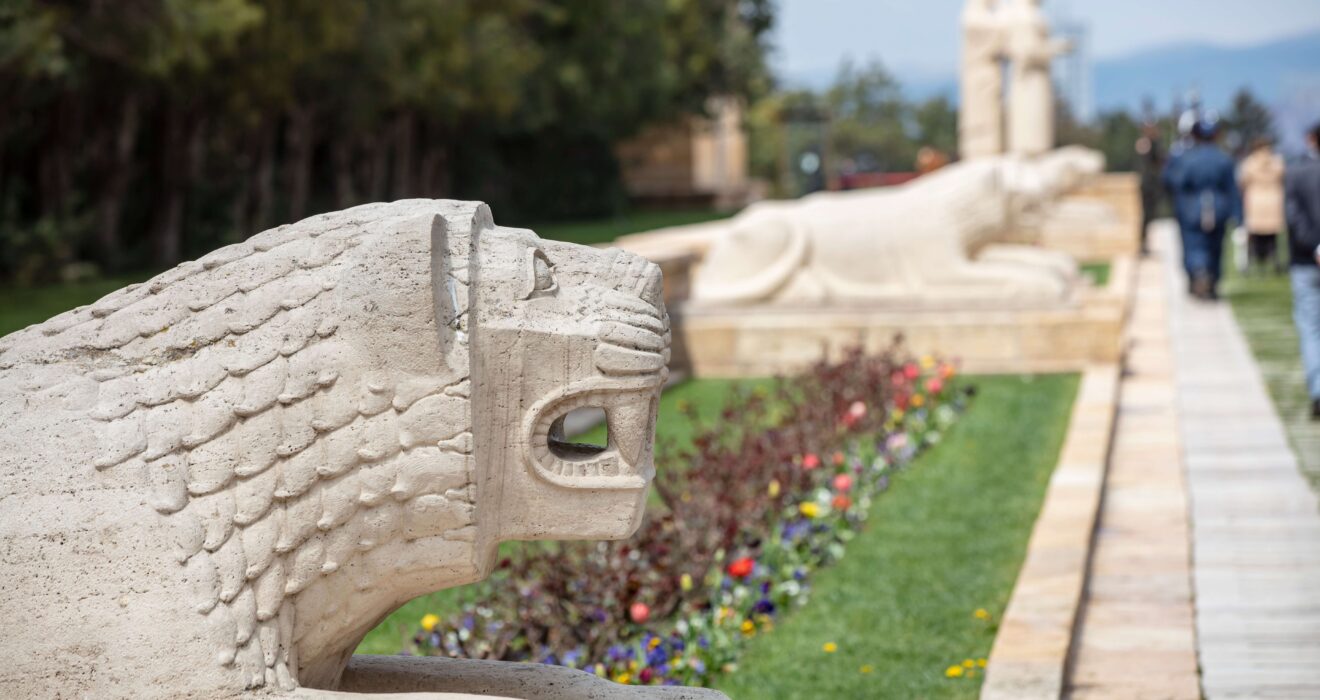
There are places that can surprise even the most seasoned traveller. Wooldridge Monuments is one such place. This group of statues, located in the historic Maplewood Cemetery in Mayfield, Kentucky, is considered an unusual attraction. Despite the fact that the monuments are located in a cemetery, they attract tourists from all over the world with their uniqueness, history, and the stories that have developed around them since their creation in the late 19th century.
What are the Wooldridge Monuments?
The Wooldridge Monuments are a group of 18 stone figures, all life-size and located in a small section of Maplewood Cemetery in Mayfield. The sculptures depict family and loved ones, as well as animals that were important to their creator, Henry G. Wooldridge. These figures are often referred to as a ‘strange procession that never moves,’ reflecting their unusual composition and the impression they make on visitors.
Each sculpture faces precisely east, which is associated with symbolic representations of the sunrise and new beginnings. This arrangement makes the impression even more profound, almost ritualistic.
The history of the monuments
Henry G. Woolridge, a lifelong horse breeder who lived in Graves County, was known for his unusual manner and deep respect for family. He never married, his only love having died in a riding accident in Tennessee many years before he moved to Mayfield around 1880.
When he was over sixty, he decided to leave something special behind – a whole group of statues that would reflect the people and animals who had played a significant role in his life. The monuments were built from 1892 until Woolridge’s death on 30 May 1899.
According to his will, all the statues were completed during Henry’s lifetime so that he could see them finished. He selected the subjects, ideas and compositions, and local craftsmen carved them in stone. This was unusual for the era and distinguished it from the traditional memorial practices of the time.
Who is depicted among the figures
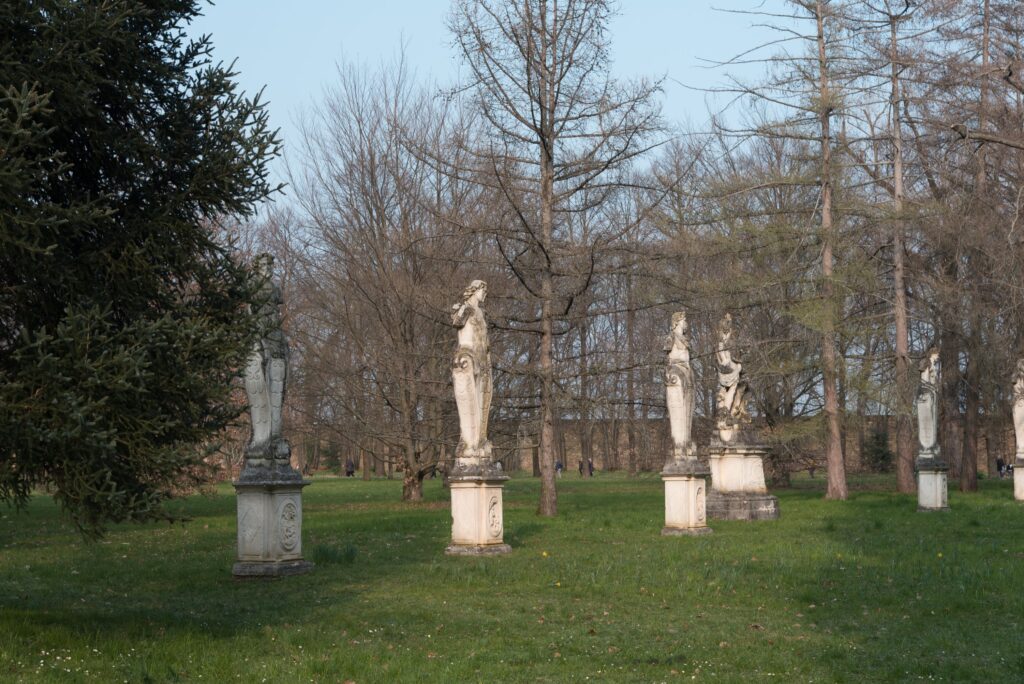
At the centre of the collection of statues stands Henry Woolridge himself – he is represented twice: riding his beloved horse, named Fop, and standing at a lectern, as if speaking or addressing future generations. Interestingly, the figures are not limited to the main character; they also include:
- Henry’s mother, Kezia;
- his brothers, Alfred, W.F., John, and Josiah;
- his sisters, Susan, Narcissa, and Minerva;
- two nieces, Maud and Minnie;
- two hunting dogs, Tow-Head and Bob;
- as well as animals such as a fox and a deer.
The plot contains Woolridge’s own tomb, made of marble and decorated with carvings that reflect his military and hunting character.
Legends and folk tales
The history of Wooldridge Monuments has been surrounded by a number of local legends. One of them says that when the large statue of Henry on horseback was being transported to Mayfield by rail, the flatcar used for the transport was specially equipped with a new type of brake. According to the story, a local drunk climbed onto the horse next to the statue and accompanied it until it arrived in the city in the spirit of a ceremonial entry.
Another legend concerns the absence of Henry’s father from the ensemble. According to tradition, this is because he left the family when the boy was still young. This explanation is often passed down by word of mouth, although there is little documentary evidence to support it.
There are also many stories about why Woolridge wanted his statues to be ready before his death. Some believe that he wanted to create an eternal ‘family portrait’ in stone, while others believe that he wanted to leave his legacy as a man who valued his loved ones above all else.
Impact on culture and travel
Wooldridge Monuments became a subject of interest relatively early on among local residents and people from other regions. The monuments were invited to appear in an episode of the legendary television programme Ripley’s Believe It or Not! in the mid-1980s, which further cemented their reputation as one of America’s most unusual monuments.
This event became a kind of ‘moment of glory,’ after which tourists interested in unusual places and historical mysteries began to visit. Today, Wooldridge Monuments are mentioned in guidebooks on unusual attractions in the United States and in tourist routes through Kentucky.
Restoration and preservation
In 2009, the monuments were damaged by a severe ice storm that knocked tree branches directly onto the site with the figures. Many parts of the statues were damaged, some lost their heads, and others were destroyed almost to the ground.
Thanks to federal funding and the efforts of monument preservation specialists, most of the statues have been restored to their original locations. This work took several years, and today many of them look almost the same as they did when they were completed in the 19th century.
The restoration work has preserved the monuments for future generations and made them accessible once again to visitors and researchers who come here to see something beyond the standard beacons of history and architecture.
What to know before visiting
Wooldridge Monuments are located within Maplewood Cemetery on the north side of Mayfield. The cemetery is open daily from dawn to dusk, and a visit can be an educational and peaceful, contemplative experience.
Many visitors note that walking through the cemetery where the monuments are located offers a new perspective on the history of family memorials, the art of gravestones, and the connection between memory, art, and architecture.
Visiting this place offers a visual experience and an understanding of how a single life can be reflected in marble and limestone with such power that it survives the centuries. If you are travelling through western Kentucky, Wooldridge Monuments is worth including in your itinerary to see one of the most unusual memorial ensembles in America.